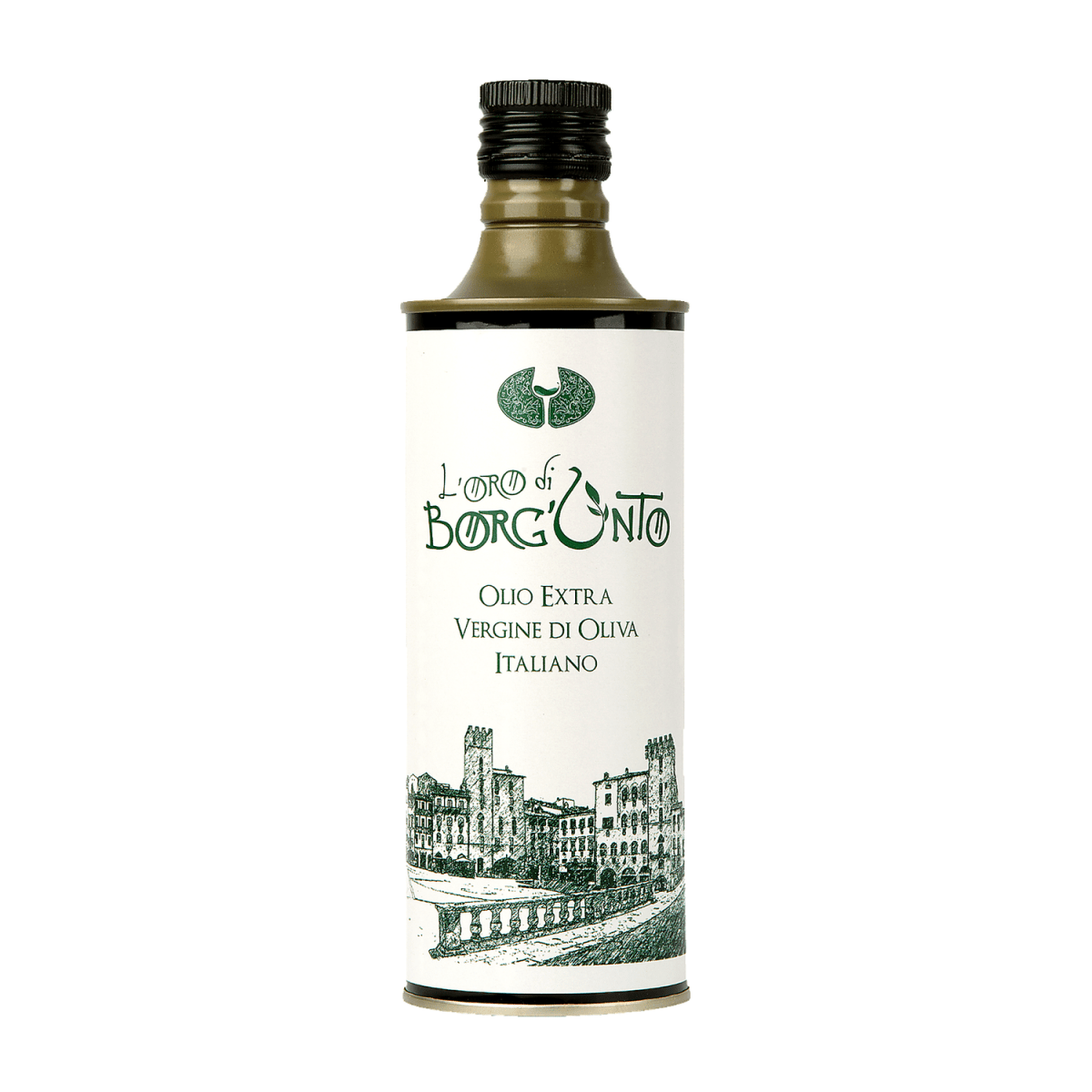
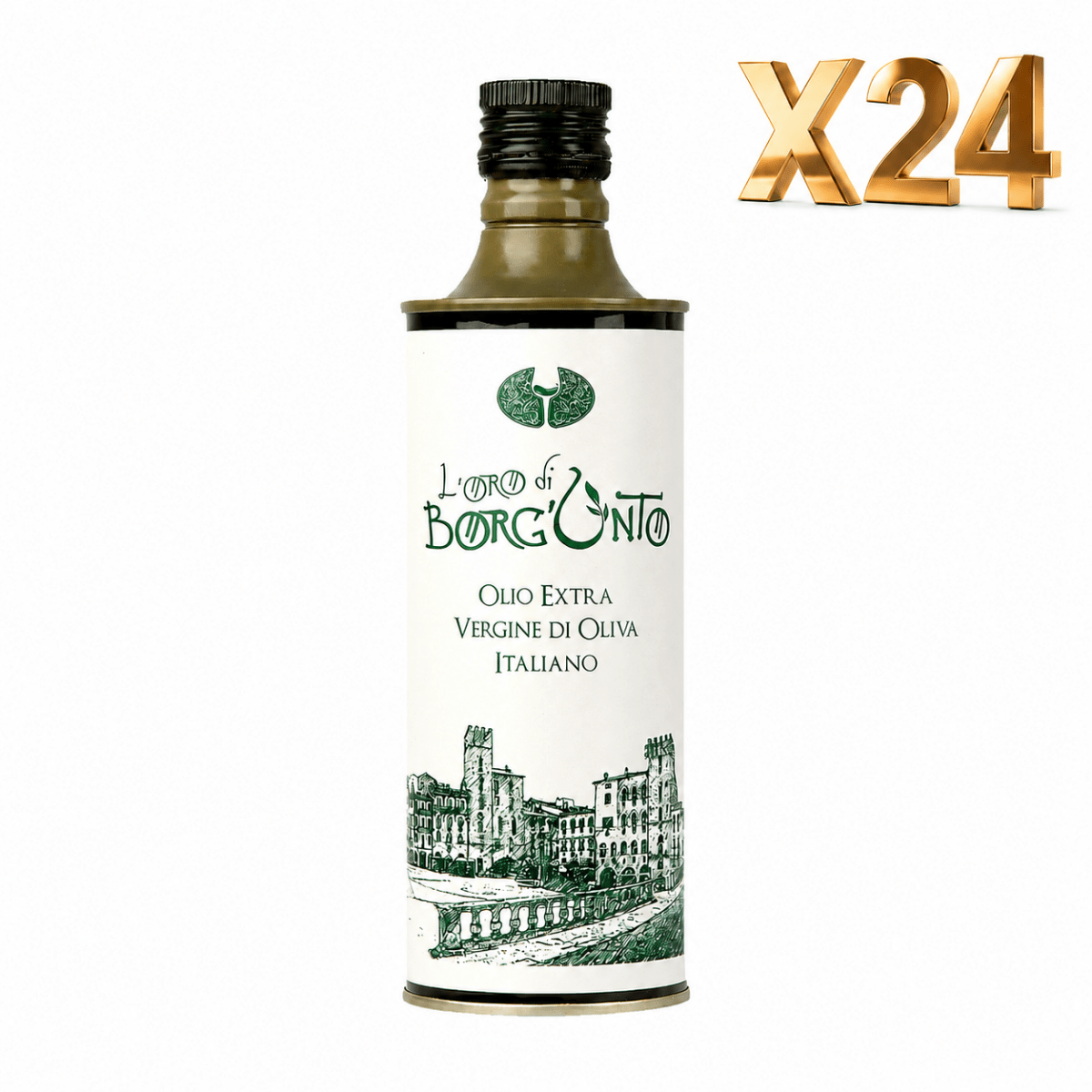
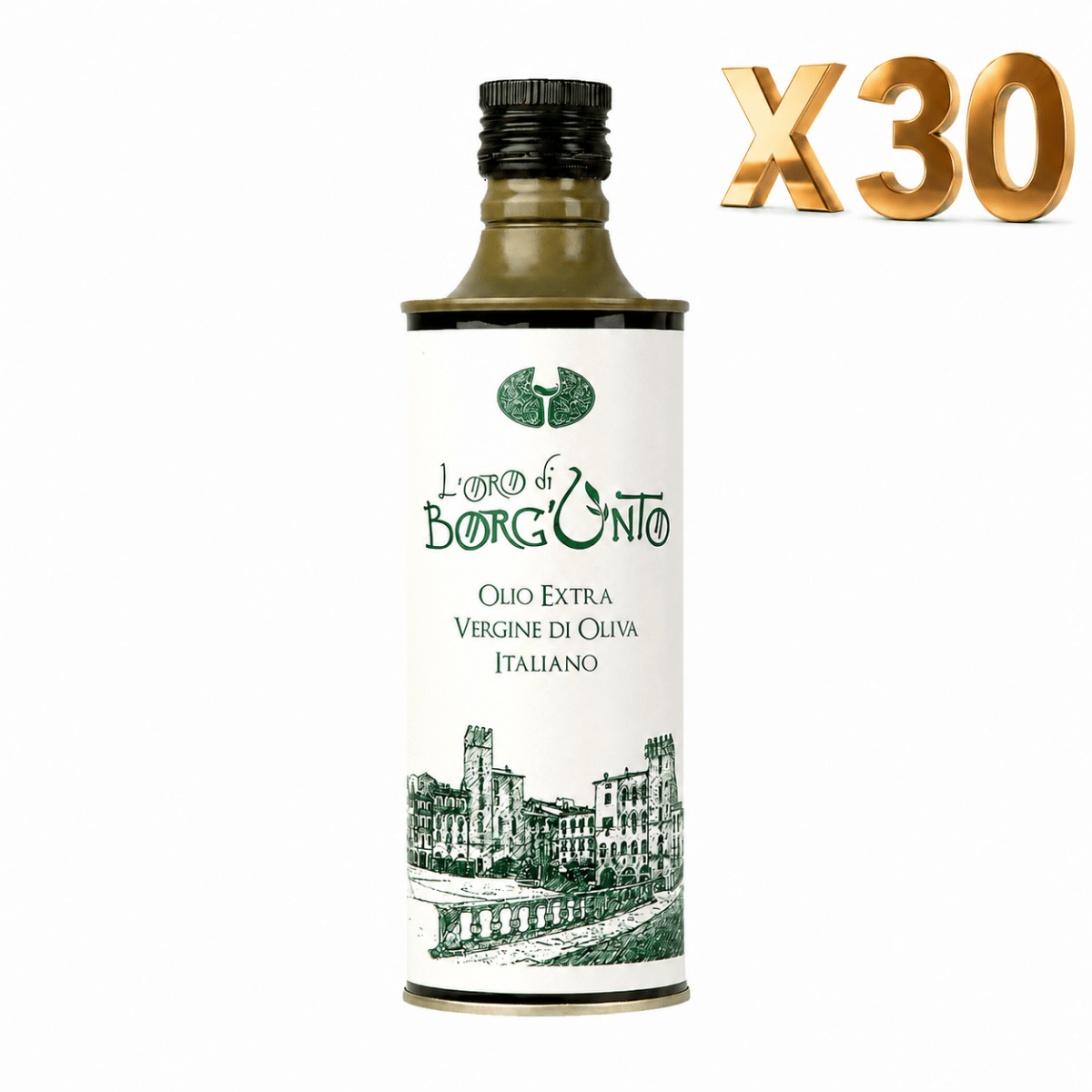
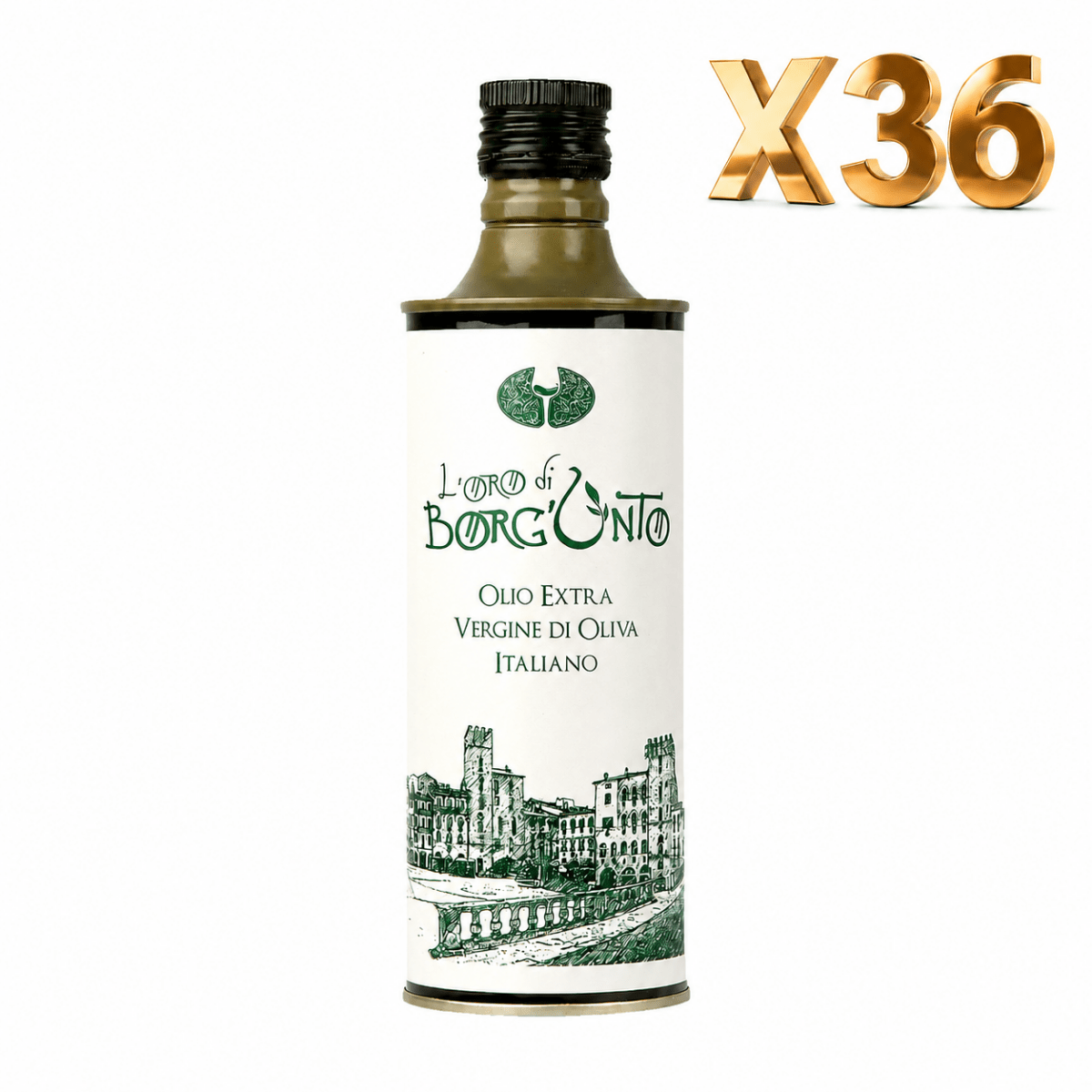
The DOP extra virgin olive oil represents the highest level of certified quality for Italian oil. Produced according to strict regulations linked to specific territories, it offers unique sensory characteristics and guarantees traceability.
In this guide, you will discover: what DOP certification is, how to recognize quality oil, the phases of artisanal production, tasting techniques, and where to buy safely.
What is DOP Extra Virgin Olive Oil?
The Protected Designation of Origin (DOP) is a European recognition that guarantees that a product:
- Is entirely produced in a defined geographical area
- Uses local cultivars (often indigenous, for at least 80%)
- Respects traditional harvesting and processing methods
- Has specific sensory characteristics linked to the territory
“Less than 3% of Italian oils on the market are DOP certified. This label attests to traceability, quality, and adherence to high production standards.”
How to Recognize Real DOP Extra Virgin Olive Oil
Beware of imitations! An authentic DOP oil always features:
-
Detailed label: indicates cultivar, production area, harvest date, and acidity (≤ 0.3%)
-
Brilliant color: from deep green to golden yellow
-
Vegetal aroma: notes of fresh olive, cut grass, artichoke, or almond
-
Complex flavor: bitter and peppery, signs of natural polyphenols
-
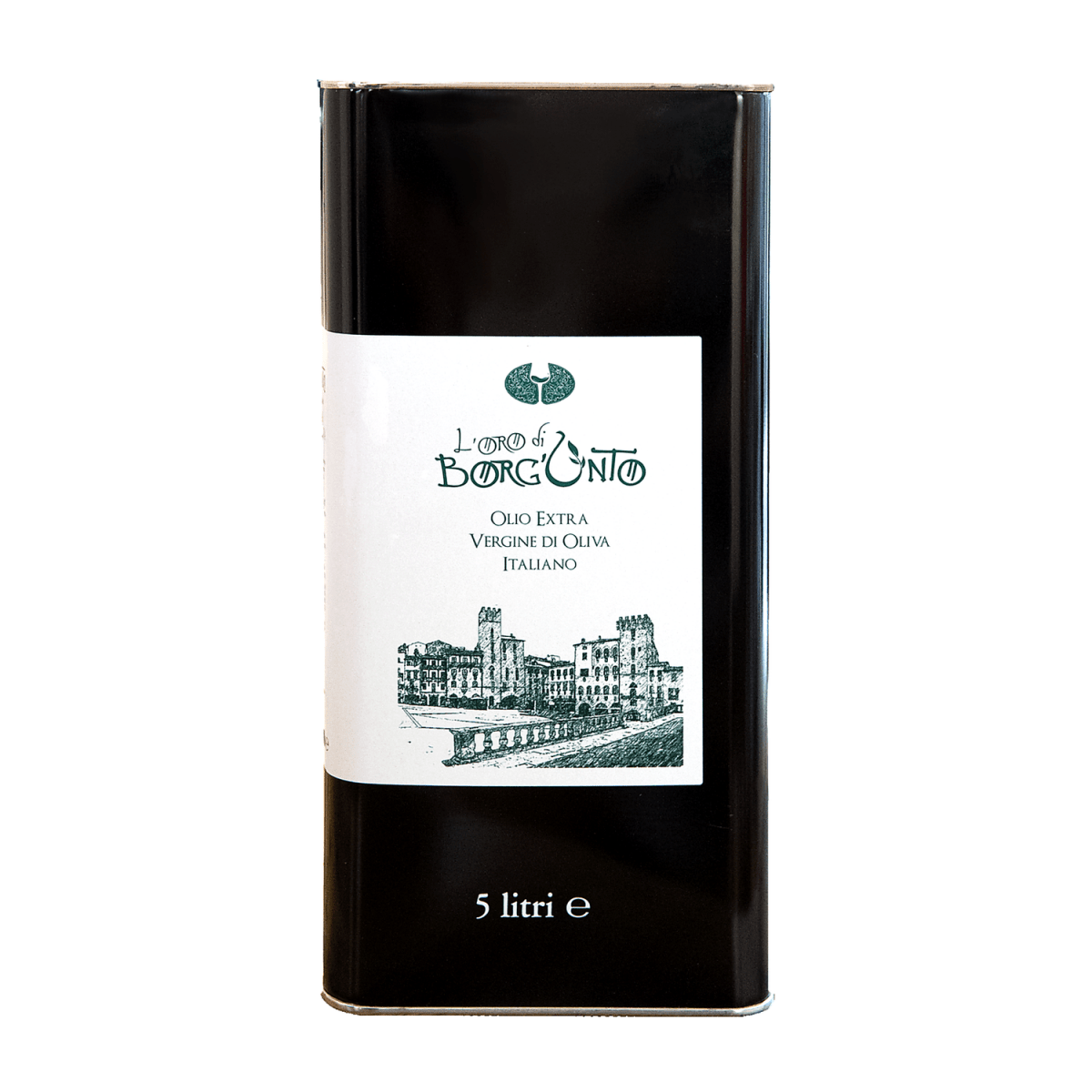
Protective packaging: dark glass or tin to prevent oxidation
-
Consistent price: rarely below €12/liter for authentic DOP
Quality Artisanal Production
-
Timely harvesting: olives picked at the optimal moment, often by hand
-
Quick processing: crushing within 12 hours to avoid fermentation
-
Cold extraction: temperature < 27°C to preserve aromas and antioxidants
-
Low acidity: value < 0.3%, an indicator of freshness
-
High polyphenol content: > 300 mg/kg, with antioxidant effects
How to Taste and Pair DOP Oil
5 steps for mindful tasting:
- Pour 1 teaspoon into a tasting glass
- Warm with your hands for 10–15 seconds
- Smell: look for green, fruity, or sweet notes
- Taste with a “slurp” to oxygenate
- Evaluate the balance between bitter and peppery
Recommended pairings:
-
First courses: legume soups, broths, simple pasta
-
Main courses: grilled meats, blue fish, roasted vegetables
-
Raw: bread, cheeses, salads, cooked vegetables
Where to Buy Authentic DOP Oil?
- Purchase from official sites of certified producers
- Check for the European DOP logo and certification number
- Always check the harvest date
- Prefer 500 ml or 750 ml bottles to consume it fresh
Tip: many producers offer tasting kits to discover different sensory profiles.
Frequently Asked Questions
Does DOP oil always have to be bitter and peppery?
No, but it often is when it's new. Bitterness and pepperiness are indicators of polyphenols and freshness, not defects.
How should it be stored properly?
In a cool place (16–18°C), in the dark, away from heat sources. Once opened, consume within 2–3 months.
Can it be used for cooking?
Yes, but its value is best expressed raw. For cooking, add it at the end of preparation to preserve its aromas.
Conclusion: Quality, Transparency, and Taste
DOP extra virgin olive oil is the result of tradition, territory, and expertise. Choosing it means investing in health, sustainability, and authenticity.
“A good oil does not hide behind vague labels. It speaks clearly: name, origin, cultivar, and date.”