




Organic Farming and DOP Certification: What Are the Differences and Why Choose Them Together?
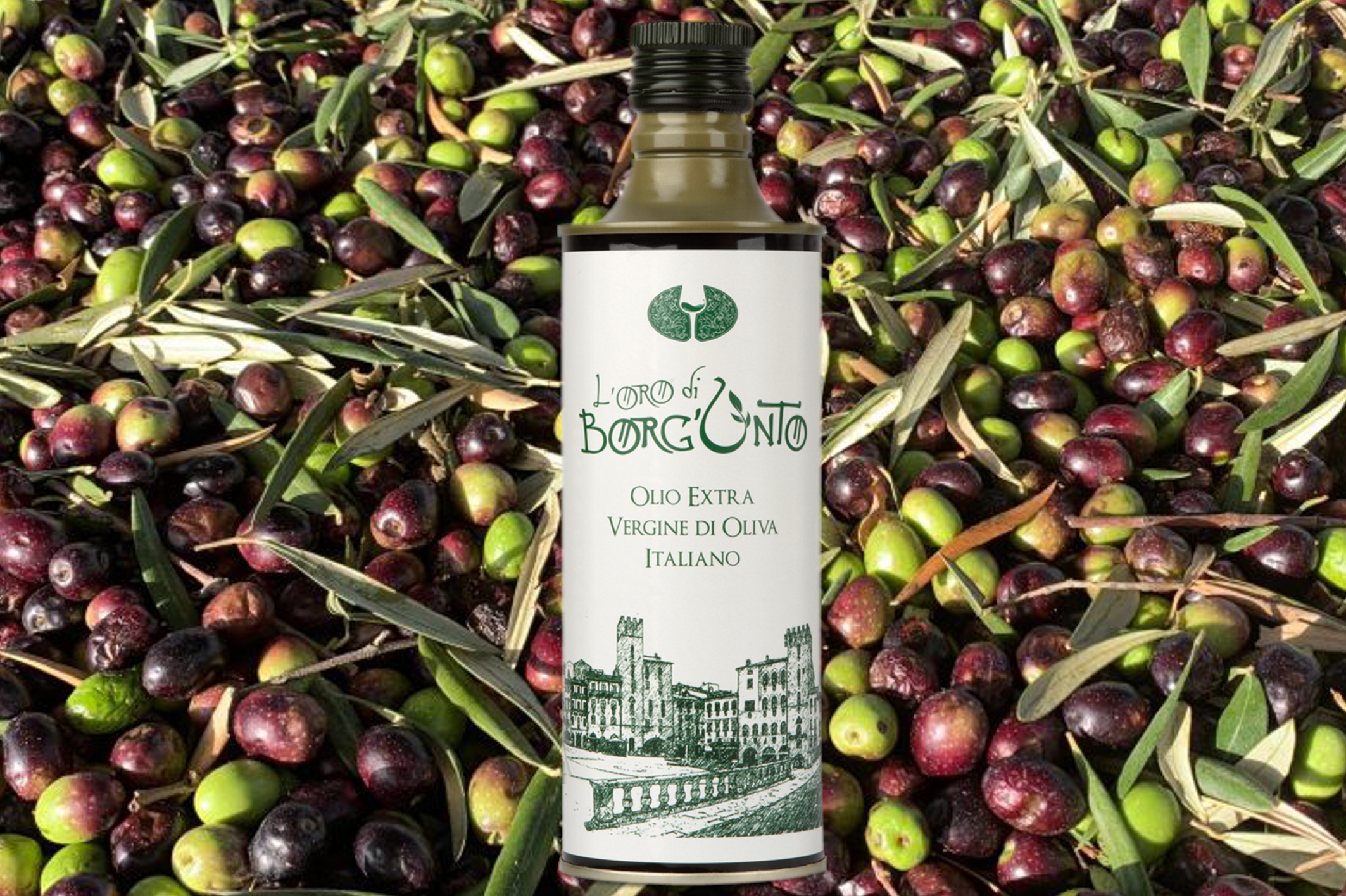
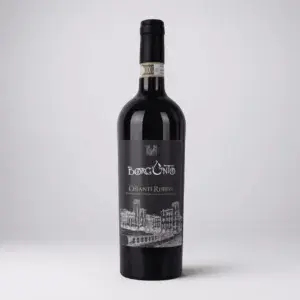
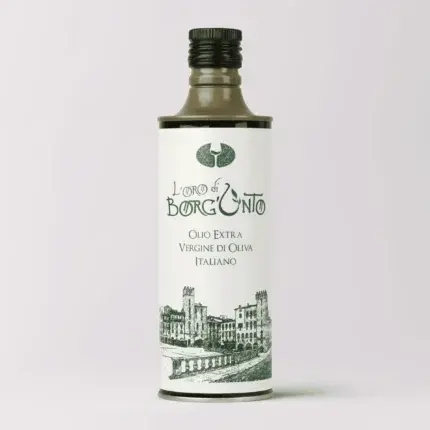
Contemporary food and wine excellence is built on two fundamental pillars: organic farming and DOP (Protected Designation of Origin) certification. Although they operate on different levels—environmental and geographical, respectively—these two frameworks integrate synergistically to guarantee traceability, authenticity, and sensory performance. This is the philosophy behind the products of Borgunto, a certified Tuscan farm that produces organic Chianti DOCG and organic extra virgin olive oil DOP in the Arezzo hills.
What Does Organic Farming Mean?
The organic model excludes the use of synthetic inputs: no chemical pesticides, artificial fertilizers, herbicides, or GMOs. The system is based on precise and verifiable rules:
- Soil fertility management: Techniques such as crop rotation and the use of compost to regenerate the soil.
- Environmental sustainability: reducing the ecological footprint and safeguarding biodiversity.
- Product quality: lower chemical residues and higher nutritional density.
- Mandatory certification: Annual audits by accredited third-party bodies (e.g. ICEA, Bioagricert) ensure end-to-end compliance, from field to bottle.
What does the DOP certification guarantee?
The PDO is a European standard that binds a product to a specific geographical area and to strict specifications. In practice:
- Localized production: cultivation, processing, and packaging must take place within the boundaries of the protected area.
- Native Genetics: Only traditional grape varieties or cultivars are permitted — for example, Sangiovese for wine, Frantoio and Leccino for oil.
- Standardized processes: recognized and validated methods, balancing tradition and sustainable innovation.
- Supply chain audits: Independent controls verify compliance at each production stage.
Organic + DOP: The Borgunto Model
Borgunto implements both standards to offer products with high added value, both sensorial and ethical:
- Organic Chianti DOCG: obtained from Sangiovese grapes grown without chemical inputs, with a complex aromatic profile (cherry, violet, sweet spices) and double organic + DOP certification.
- Organic extra virgin olive oil: Medium fruity, with green notes of artichoke and bitter almond, from hand-picked olives and pressed within 12 hours to maximize stability and polyphenols.
This combination — organic for impact, DOP for identity — transforms each bottle into a traceable, sustainable and high-performance asset.
Buying from Borgunto isn't just a choice of taste: it's an ethical and informed upgrade to your food stack.