





Extra Virgin Olive Oil: A Complete Guide to the Best Oil

In questa guida scoprirai: cos’è la certificazione DOP, come riconoscere un olio di qualità, le fasi della produzione artigianale, tecniche di degustazione e dove acquistare con sicurezza.
Cos’è l’Olio Extravergine DOP?
The Protected Designation of Origin (PDO) is a European recognition that guarantees that a product:
- It is entirely produced in a defined geographical area
- Uses local cultivars (often native, at least 80%)
- Rispetta metodi di raccolta e lavorazione tradizionali
- Possiede caratteristiche sensoriali specifiche legate al territorio
“Meno del 3% degli oli italiani in commercio è certificato DOP. Questo marchio attesta tracciabilità, qualità e rispetto di standard produttivi elevati.”
How to Recognize a Real DOP Extra Virgin Olive Oil
Beware of imitations! An authentic DOP oil always has:
- Etichetta dettagliata: indica cultivar, zona di produzione, data di raccolta e acidità (≤ 0,3%)
- Colore brillante: da verde intenso a giallo dorato
- Vegetal aroma: notes of fresh olive, cut grass, artichoke or almond
- Sapore complesso: amaro e piccante, segni di polifenoli naturali
- Confezione protettiva: vetro scuro o latta per evitare ossidazione
- Prezzo coerente: difficilmente sotto i 12 €/litro per un DOP autentico
Quality Artisan Production
- Raccolta tempestiva: olive raccolte al momento ottimale, spesso a mano
- Lavorazione rapida: frangitura entro 12 ore per evitare fermentazioni
- Estrazione a freddo: temperatura < 27°C per preservare aromi e antiossidanti
- Acidità bassa: valore < 0,3%, indicatore di freschezza
- Alto contenuto di polifenoli: > 300 mg/kg, con effetti antiossidanti
Come Degustare e Abbinare l’Olio DOP
5 steps for a mindful tasting:
- Versa 1 cucchiaino in un bicchierino da degustazione
- Scalda con le mani per 10–15 secondi
- Annusa: cerca sentori verdi, fruttati o dolci
- Assaggia con un “slurp” per ossigenare
- Valuta l’equilibrio tra amaro e piccante
Recommended pairings:
- Primi: zuppe di legumi, minestre, pasta semplice
- Second courses: grilled meats, blue fish, roasted vegetables
- A crudo: pane, formaggi, insalate, verdure cotte
Where to Buy Authentic DOP Olive Oil?
- Acquista da siti ufficiali di produttori certificati
- Verifica il logo DOP europeo e il numero di certificazione
- Controlla sempre la data di raccolta
- Choose 500 ml or 750 ml packs to consume it fresh
Consiglio: molti produttori offrono kit degustazione per scoprire diversi profili sensoriali.
Frequently Asked Questions
L’olio DOP deve essere sempre amaro e piccante?
No, ma lo è spesso quando è novello. L’amaro e il piccante sono indicatori di polifenoli e freschezza, non difetti.
How is it stored correctly?
In un luogo fresco (16–18°C), al buio, lontano da fonti di calore. Una volta aperto, consumalo entro 2–3 mesi.
Can it be used for cooking?
Sì, ma il suo valore si esprime al meglio a crudo. Per la cottura, aggiungilo a fine preparazione per preservarne gli aromi.
Conclusion: Quality, Transparency and Taste
L’olio extravergine DOP è il risultato di tradizione, territorio e competenza. Sceglierlo significa investire in salute, sostenibilità e autenticità.
“Un buon olio non si nasconde dietro etichette vaghe. Parla chiaro: nome, origine, cultivar e data.”
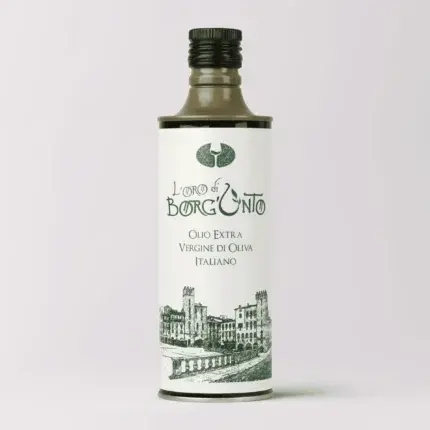
Scopri l’Olio DOP Borgunto
Prova l’eccellenza dell’olio toscano certificato, direttamente dal produttore.