




Agricoltura Biologica e Certificazione DOP: Quali Differenze e Perché Sceglierli Insieme?
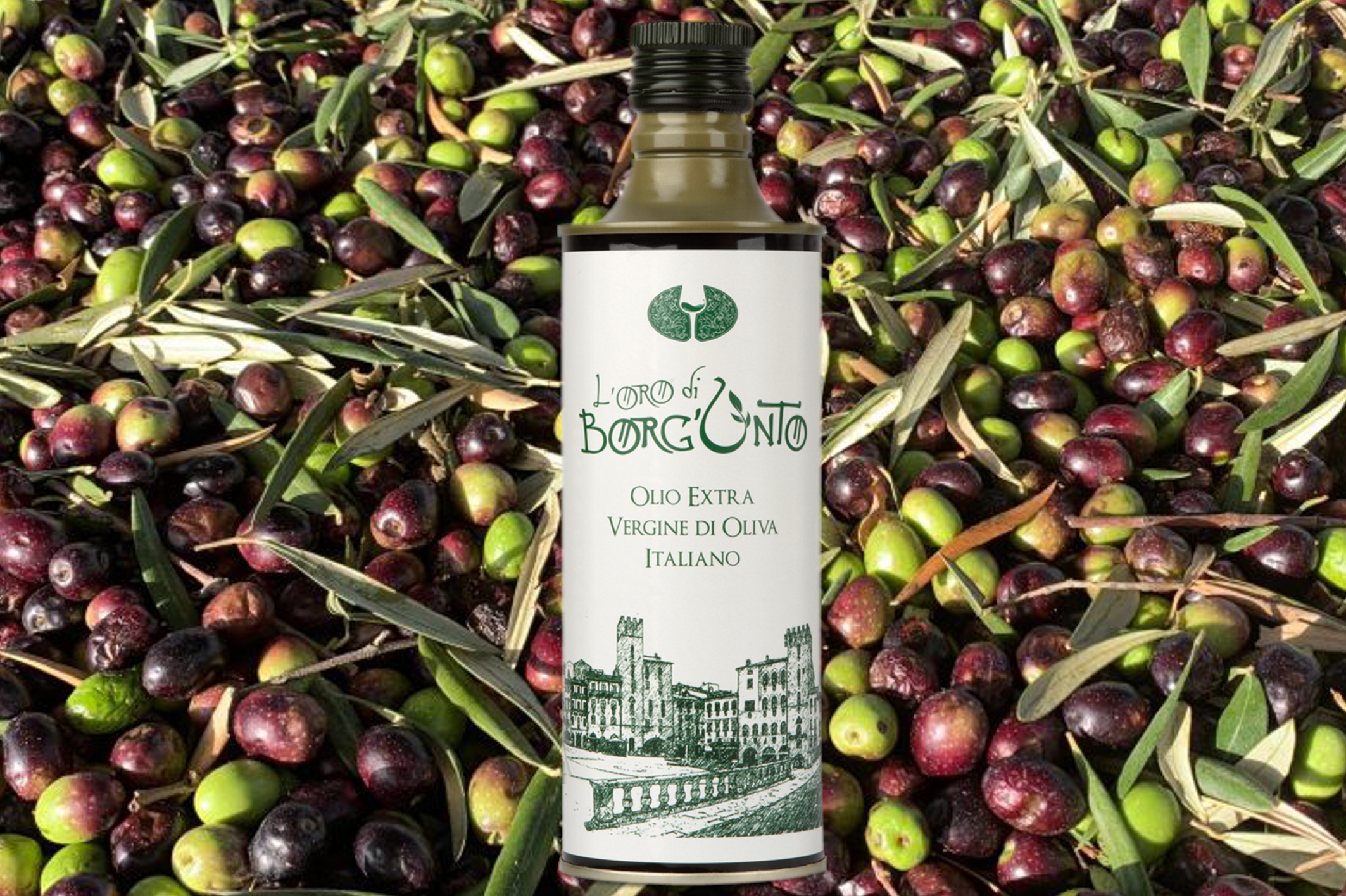
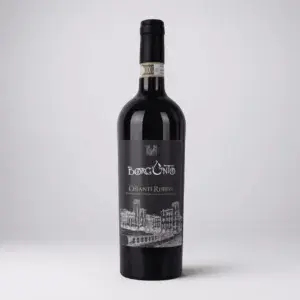
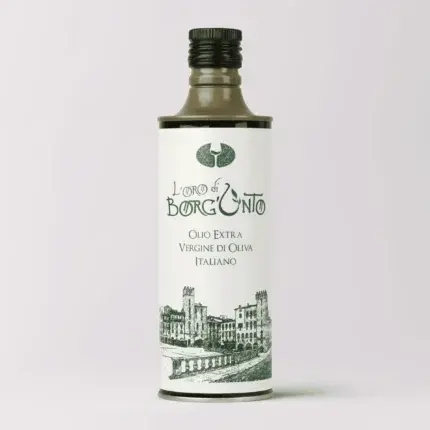
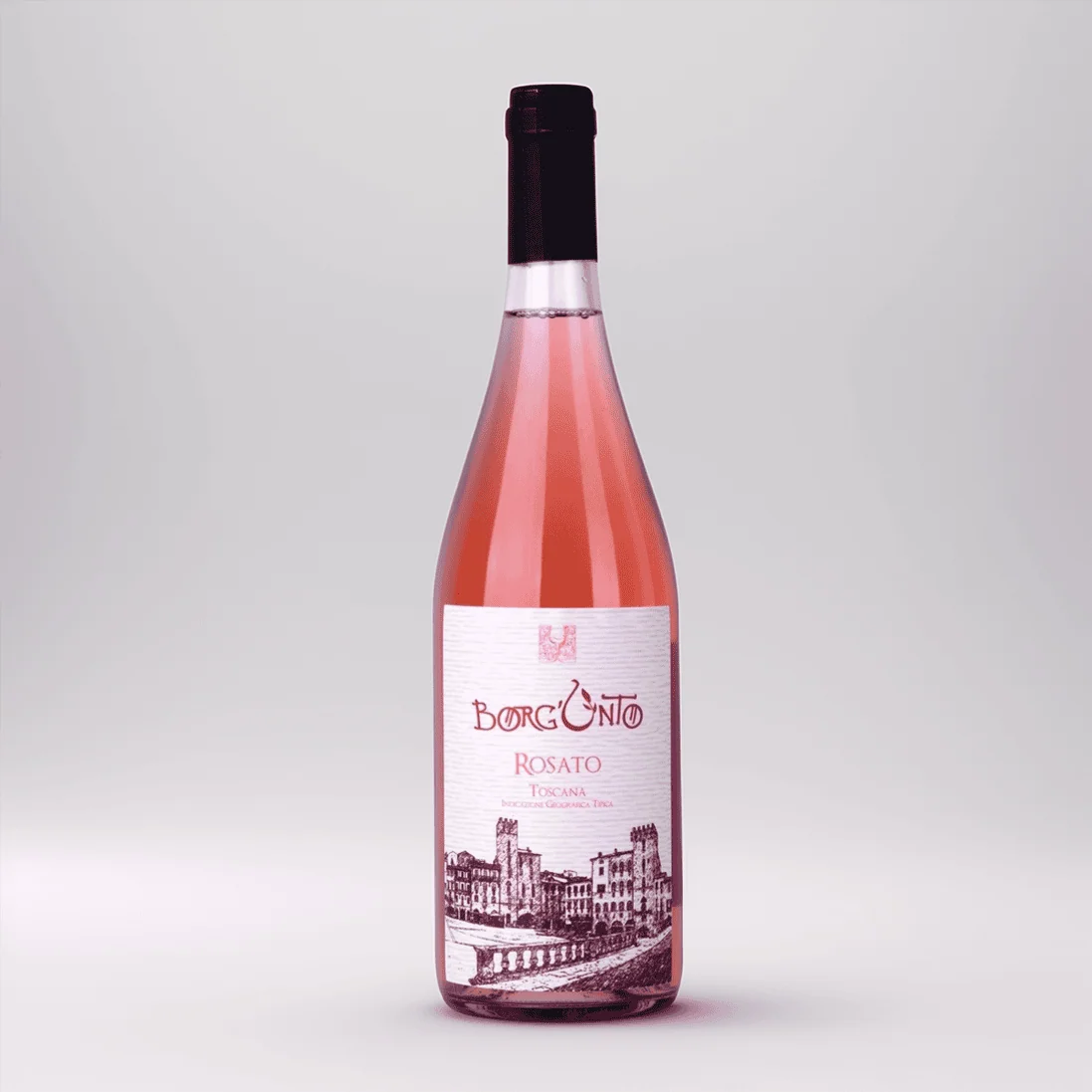
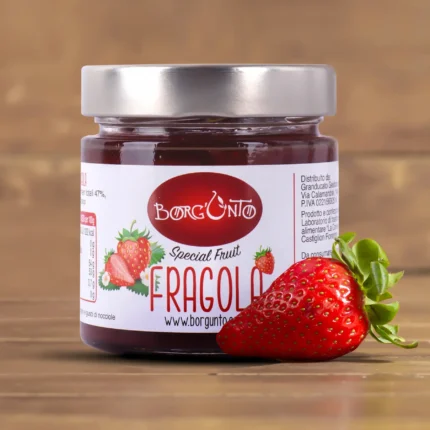
L'eccellenza enogastronomica contemporanea si costruisce su due pilastri fondamentali: la coltivazione biologica e la certificazione DOP (Denominazione di Origine Protetta). Sebbene operino su livelli diversi — rispettivamente ambientale e geografico — questi due framework si integrano in modo sinergico per garantire tracciabilità, autenticità e performance sensoriale. È questa la filosofia alla base dei prodotti di Borgunto, un'azienda agricola toscana certificata che produce Chianti DOCG biologico e olio extravergine d'oliva biologico DOP nelle Colline Aretine.
What Does Organic Farming Mean?
Il modello biologico esclude l'uso di input sintetici: niente pesticidi chimici, fertilizzanti artificiali, diserbanti o OGM. Il sistema si basa su regole precise e verificabili:
- Gestione della fertilità del suolo: tecniche come la rotazione colturale e l'uso di compost per rigenerare il terreno in modo rigenerativo.
- Sostenibilità ambientale: riduzione dell'impronta ecologica e salvaguardia della biodiversità.
- Product quality: lower chemical residues and higher nutritional density.
- Certificazione obbligatoria: audit annuali da enti terzi accreditati (es. ICEA, Bioagricert) assicurano conformità end-to-end, dal campo alla bottiglia.
What does the DOP certification guarantee?
La DOP è uno standard europeo che vincola un prodotto a un'area geografica specifica e a un disciplinare rigoroso. In pratica:
- Localized production: cultivation, processing, and packaging must take place within the boundaries of the protected area.
- Genetica autoctona: sono ammessi solo vitigni o cultivar tradizionali — ad esempio Sangiovese per il vino, Frantoio e Leccino per l'olio.
- Standardized processes: recognized and validated methods, balancing tradition and sustainable innovation.
- Supply chain audits: Independent controls verify compliance at each production stage.
Organic + DOP: The Borgunto Model
Borgunto implements both standards to offer products with high added value, both sensorial and ethical:
- Organic Chianti DOCG: obtained from Sangiovese grapes grown without chemical inputs, with a complex aromatic profile (cherry, violet, sweet spices) and double organic + DOP certification.
- Olio extravergine d'oliva biologico: fruttato medio, con note verdi di carciofo e mandorla amara, da olive raccolte a mano e molite entro 12 ore per massimizzare stabilità e polifenoli.
Questa combinazione — biologico per l'impatto, DOP per l'identità — trasforma ogni bottiglia in un asset tracciabile, sostenibile e performante.
Buying from Borgunto isn't just a choice of taste: it's an ethical and informed upgrade to your food stack.